
RESIDENCY EXHIBITION SERIES
OCT 16 – NOV 16, 2026
Bruce Williams
States of Presence
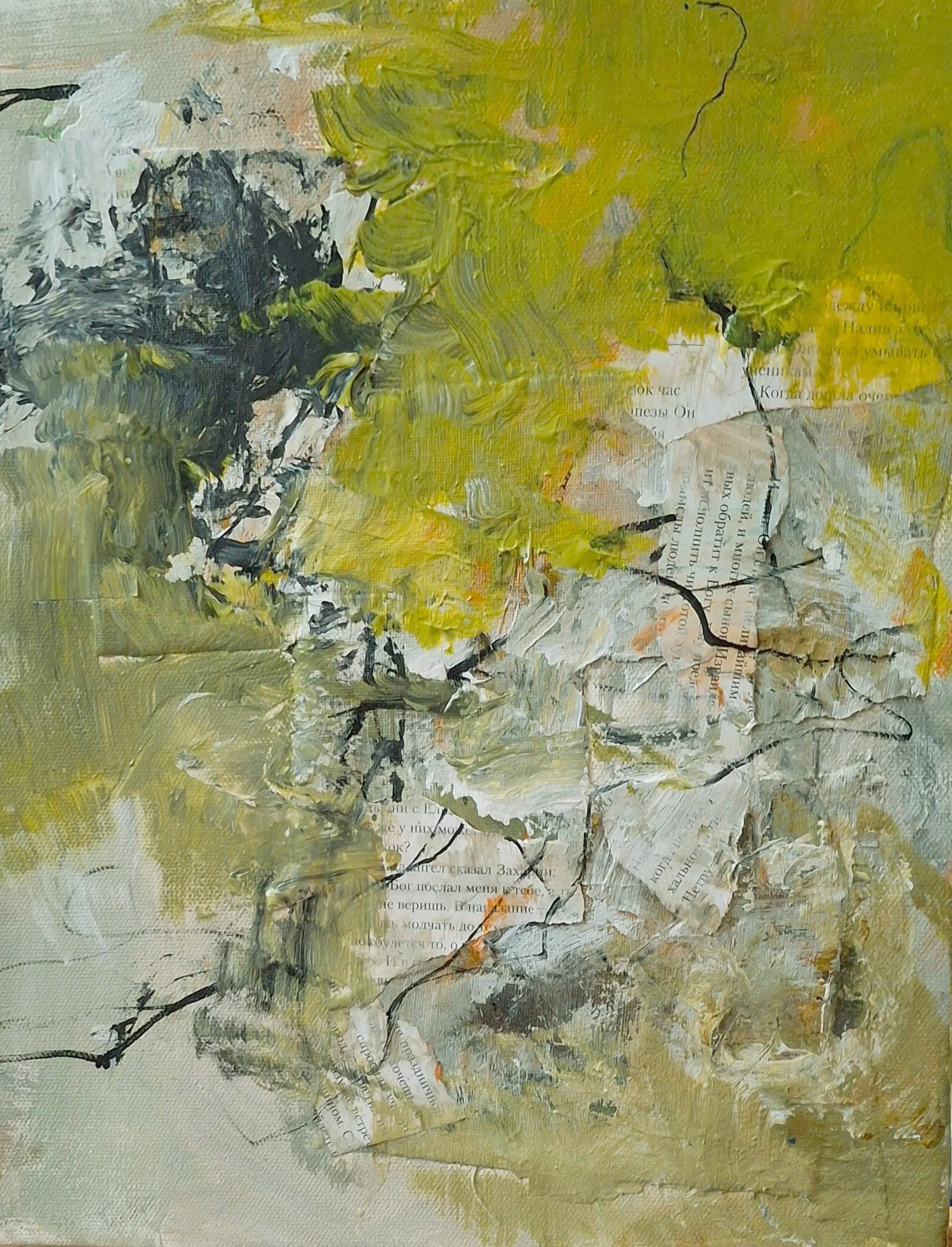
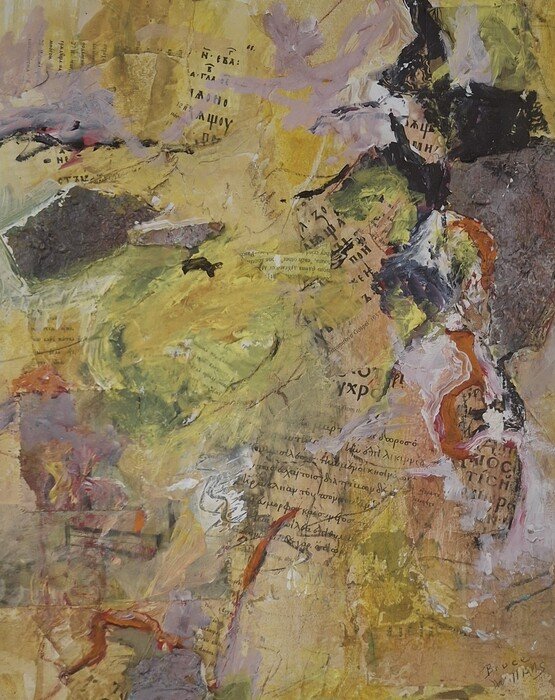
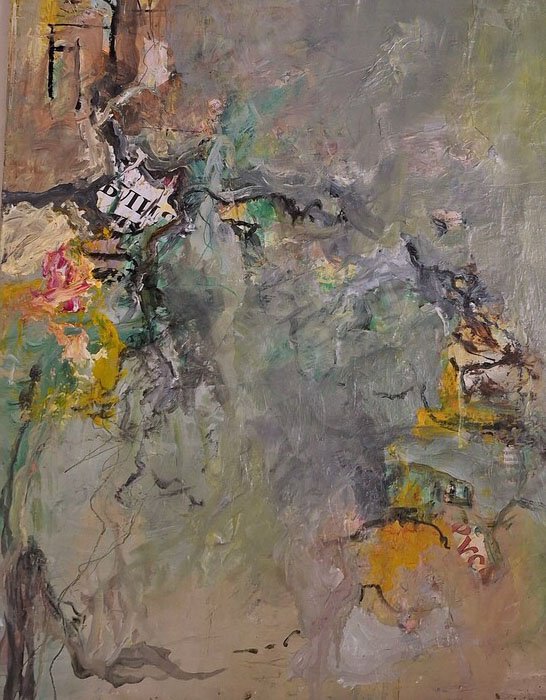
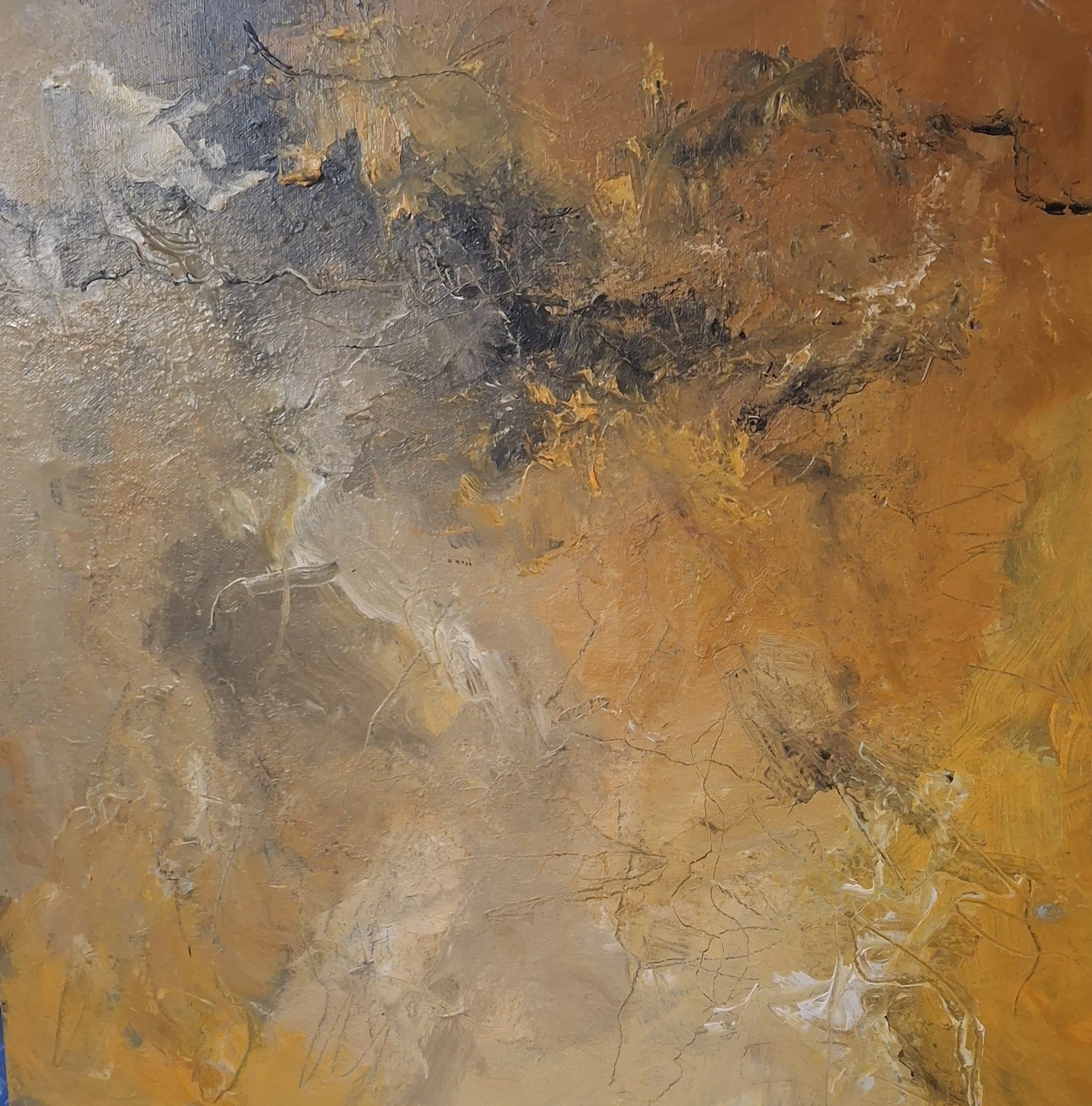
“States of Presence” features paintings by Artist-in-Residence Bruce Williams. The exhibition features abstract explorations of color and texture created with rhythmic layers of expressive marks. Compositions punctuated by traces of collaged texts visible beneath the surface evoke the instability of memory and what becomes illegible and what persists over time.
“Painting is an act of excavation — a continual attempt to retrieve what resists naming. Each canvas begins as a search for the invisible architectures of memory: traces of a gesture, a place once inhabited, or a voice that has dissolved into silence."
— Bruce Williams
Bruce Williams is a painter and professor of cultural studies at the William Paterson University of New Jersey. His artwork attests to his years of professional engagement with research in the field of cinema history and theory as well as his lifelong fascination with the European and Latin American avant-garde. Williams’ paintings have appeared in juried exhibitions throughout the United States, including the Biggs Museum of American Art in Dover, Delaware; the Hudson Valley Museum of Contemporary Art in Peekskill, New York[ the Río Bravo Exhibition of Tarleton State University in Stephenville, Texas; The Gerald Epperson Gallery in Crockett, California, among numerous other venues. A Russian-language monograph on his paintings, Где свет иной, was edited by Anna Stepanova and published 2026 through Mirror Table Editions of in Gdańsk, Poland.
About the Work
This exposition considers painting to be a space where experience accumulates rather than disappears. Across these works, layers of paint, fragments of printed language, traces of earlier gestures, and partially obscured forms remain embedded in the surface. What has been covered is not necessarily erased; it persists as residue, interruption, and sometimes as an unexpected presence.
I am interested in the moment when a surface begins to suggest its own history, when an earlier mark or fragment reappears without fully revealing where it came from. Language is treated similarly: words and letters may remain visible, but they need not be read in order to function. They become material traces alongside color, line, and texture.
These paintings do not attempt to reconstruct a particular past. Instead, they explore the instability of remembering itself: what survives, what is altered, what becomes illegible, and what unexpectedly returns. The surface becomes less a record of what happened than a place where different moments continue to coexist.