
“g2v network” features new interactive artwork by multimedia artist Jon Chambers. The exhibition includes an abstract web-based game combining narrative and exploration. The text, interactions, and visuals incorporate artificial intelligence in order to consider how AI systems create disorientation, disruption and disconnection from a shared reality. Chambers’ work interrogates the impact that extractive data spaces have with the emotional, personal, psychological and natural systems in our embodied existence. AGREE to the “g2v Terms Of Service” to start playing!
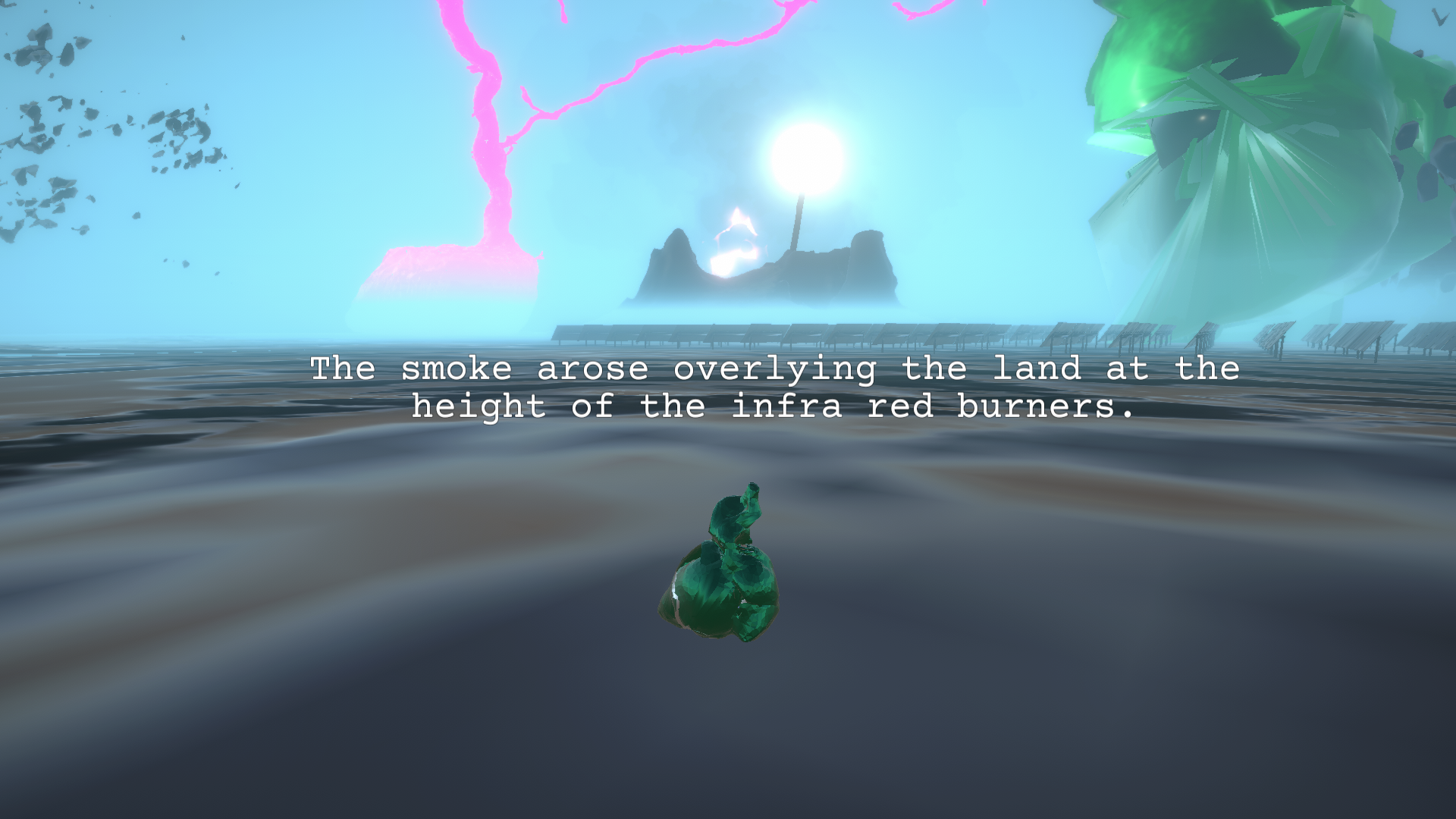
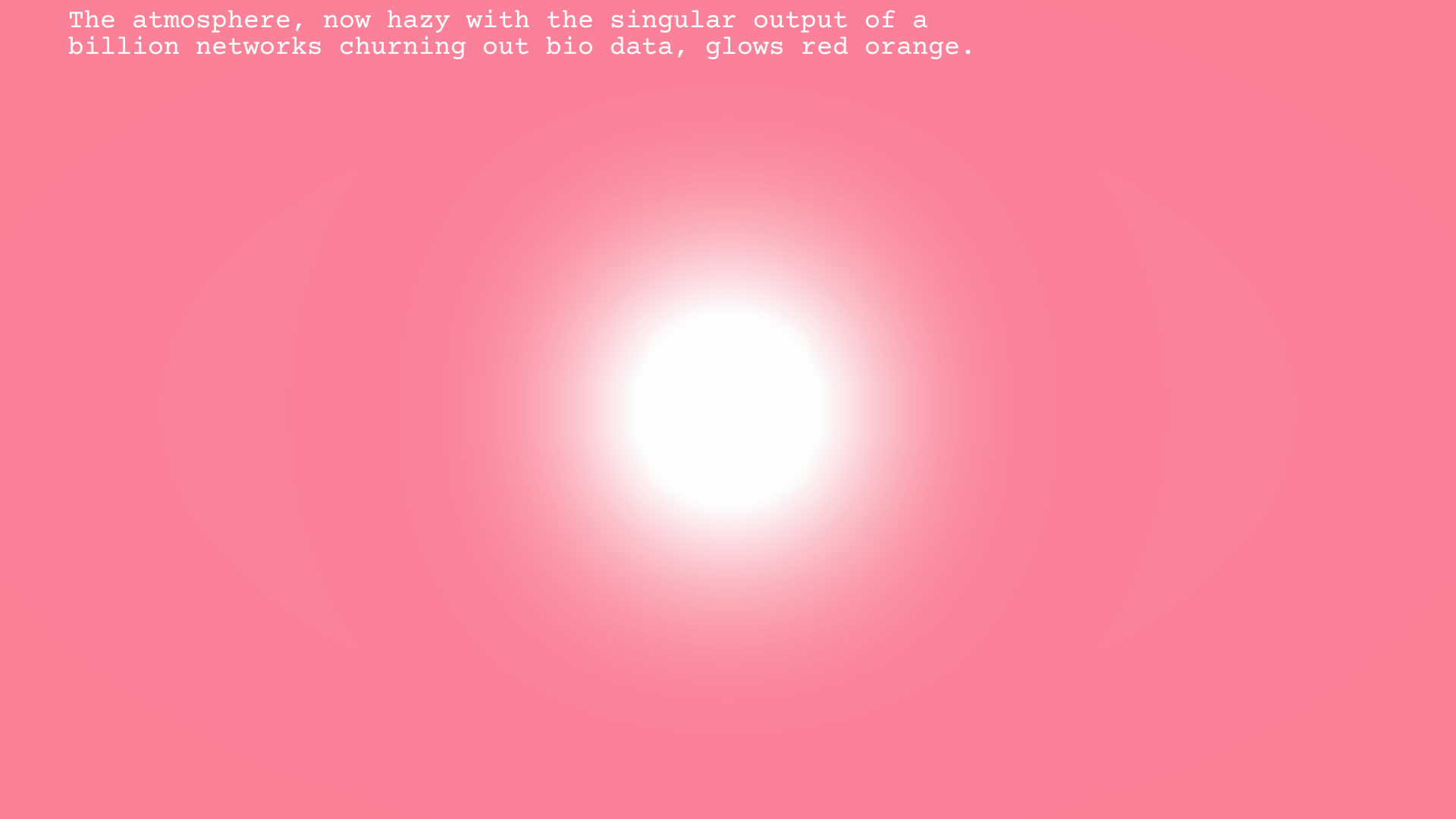
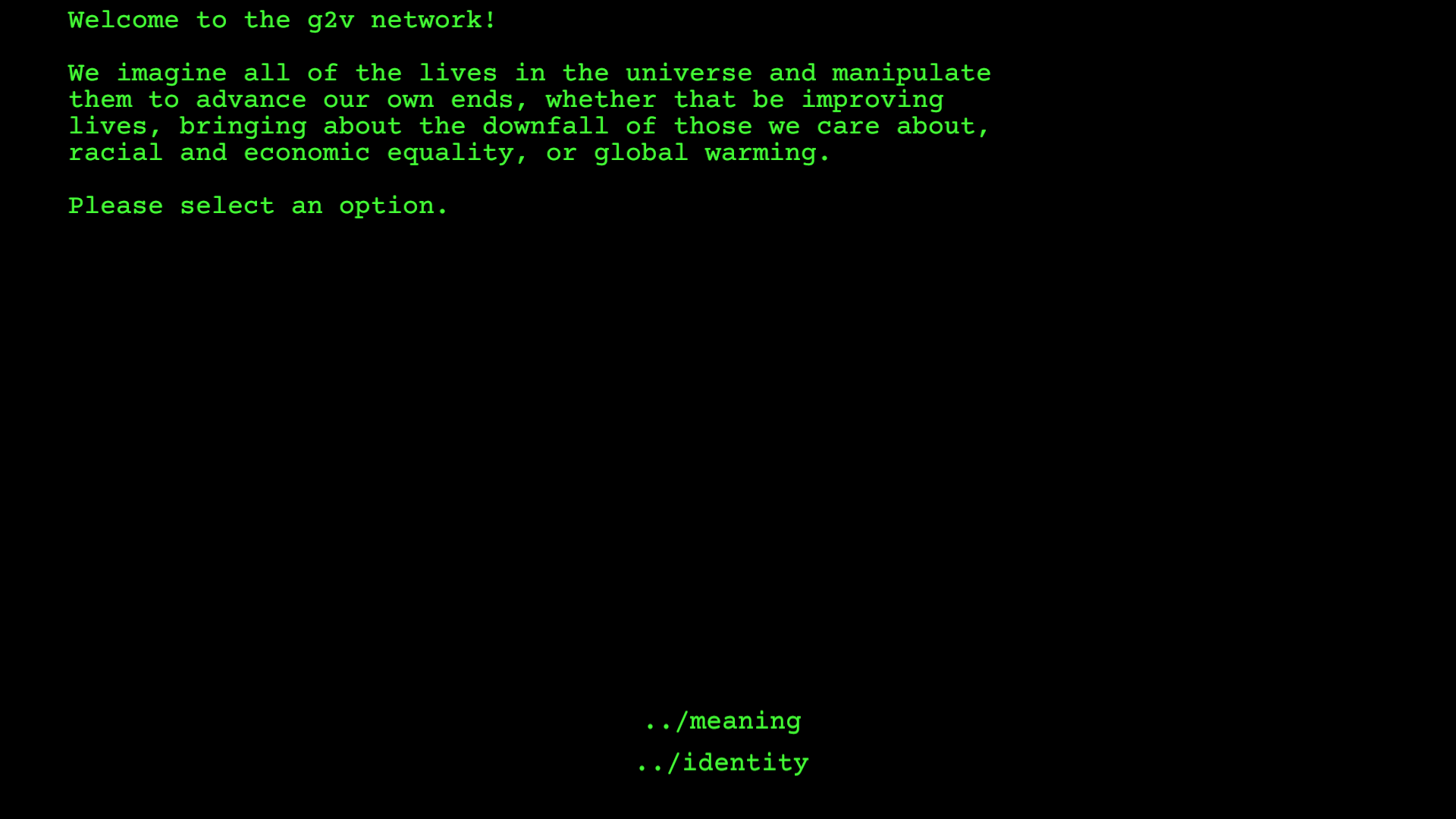
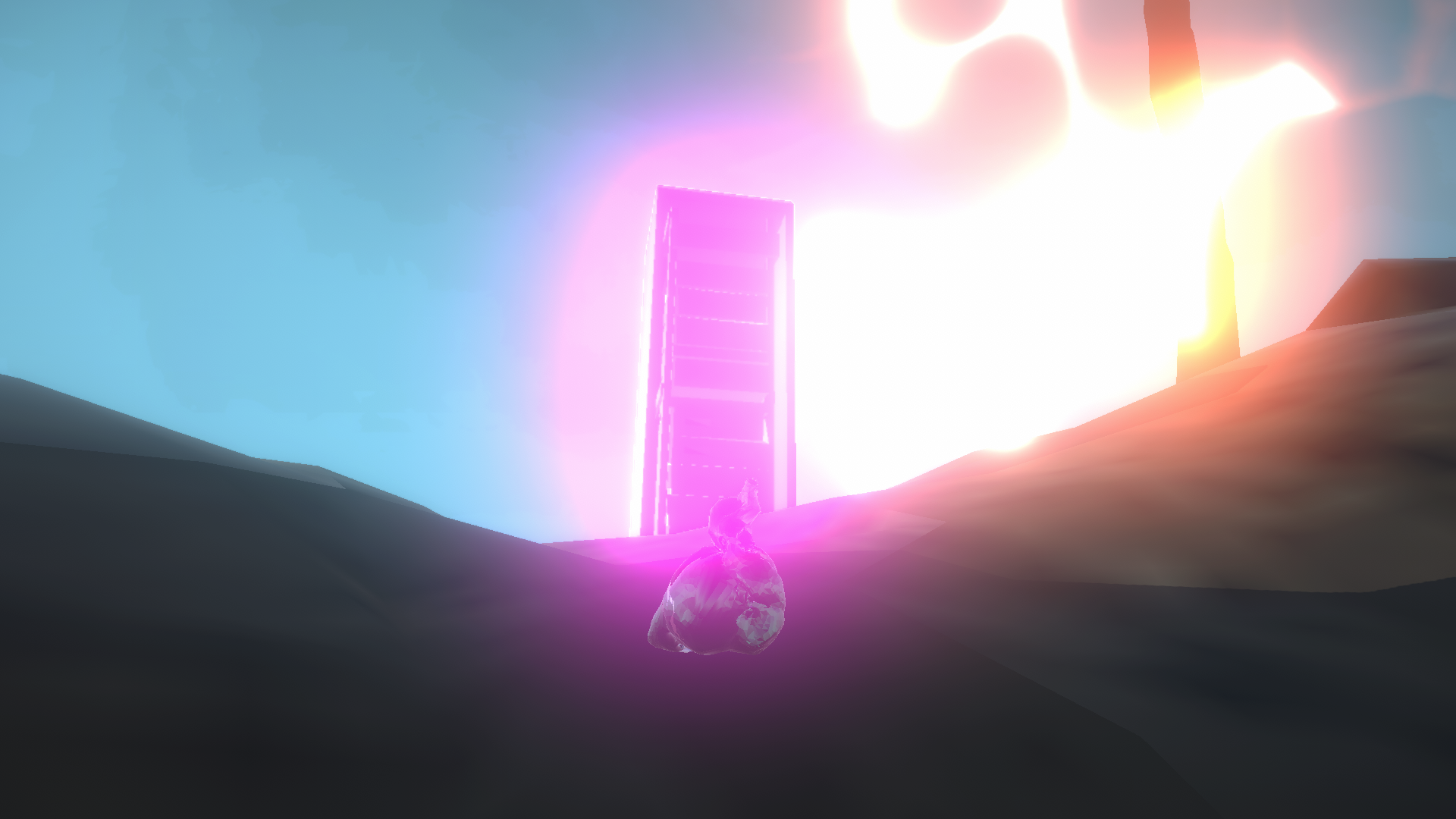
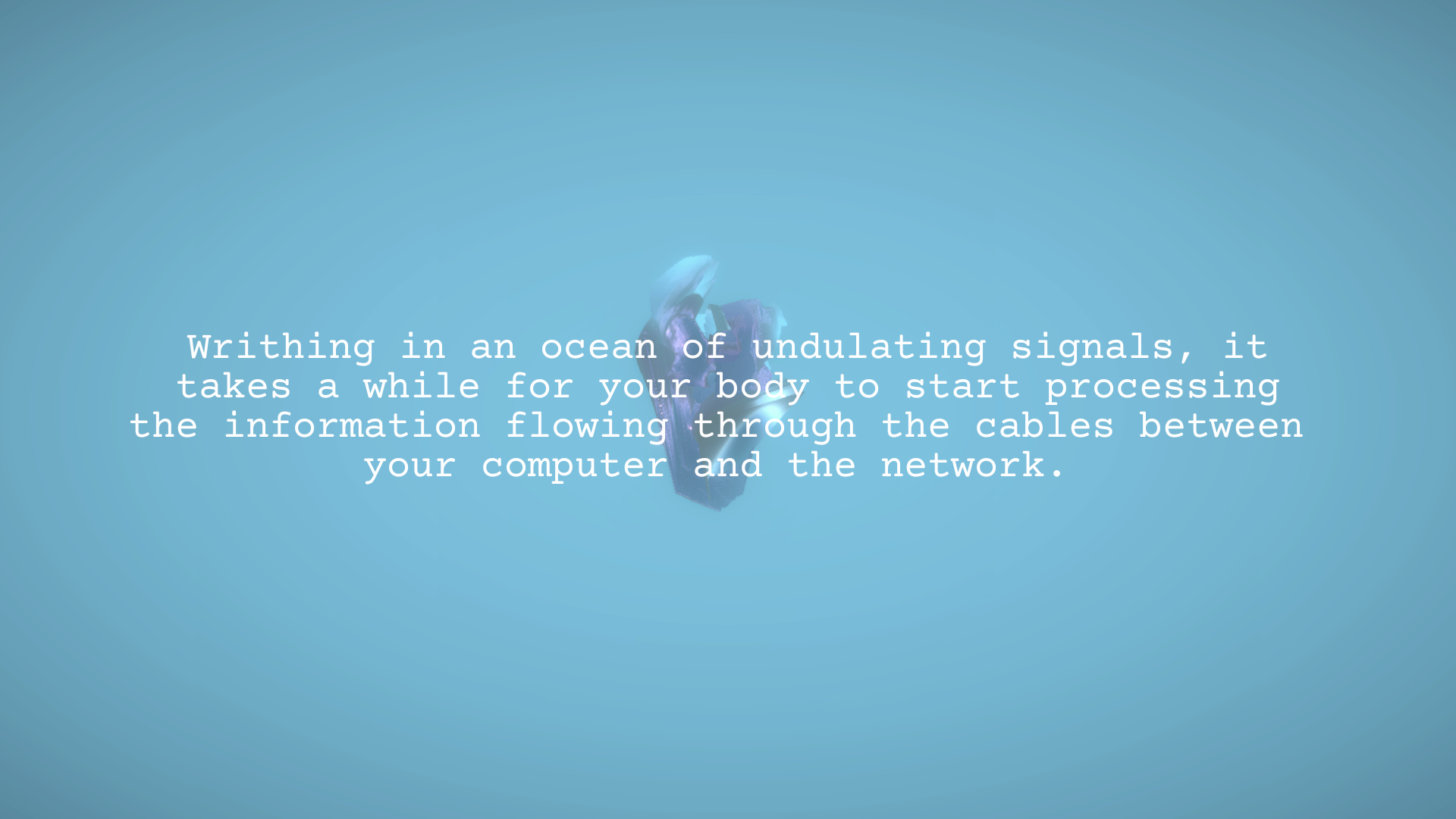
g2v network is an abstract narrative and exploration game that considers the difficulty of manifesting and orienting ourselves within the approximation and simulation overload of artificial intelligence (AI) systems and how these systems affect our relationships with technology, capital, longing, play and the environment. In the game, the player first logs into the g2v network and is greeted by terminal messages from a character who’s trapped in the network. This character reveals a vague past and future, while referencing ominous events that surround the g2v network. You must choose whether or not to help the character escape from the network and are led to a simulation where the player tries to understand what happened by exploring and using simple interactions to reveal the catastrophe and free the character from their looping hell.
*The g2v network is hosted on a solar powered web server and can take a few minutes to load."
“…The player must attempt to coalesce these disparate and sometimes absurd echoes of reference and scale into something coherent…”
— Jon Chambers
Since 2020, Chambers has been maintaining a solar powered web server that serves as a hub for a series of games and interactive web pages about issues surrounding climate, software, AI and data, while considering what personal, intimate and sustainable internet infrastructure might look like that’s independent from a company. When using AI in his practice, Chambers uses small custom models and thinks of these generated outputs as “approximations” of the data points and statistics used in the model training. These custom model outputs become abstract metaphors in his work for the larger corporatized AI systems that extract the data of millions of references from the collective internet and then manipulate and affect our digital spaces, creating approximations and echoes of reality. How can we attempt to understand our relationships to these extractive approximations through emotion, play and critical speculation?
The use of AI in the game considers how AI systems in digital networks create confusion, disruption and disconnection from a shared reality. The narrative elements are purposely confusing, being generated from a custom machine learning (ML) model trained on terms of service contracts from various software companies, with the outputs merging sci-fi, legalese and formal declarations of technological dependency. The third person character that the player eventually becomes is a 3D model generated from custom ML models that use scans of the artist's body parts as their data. Feeding these bodily outputs back into models, the results are chimeras of bodies that don’t exist and are echoes of reference to digital bodies being subjected to dataveillance in order to be fractured, manipulated, transformed and churned out by the violence of capitalist exploitation.
The player must attempt to coalesce these disparate and sometimes absurd echoes of reference and scale into something coherent. How can we make sense of the scale of AI systems that extract the digital labor of billions of data points to train itself and whose effects are harder to decipher from reality? What are the relationships that these spaces have with emotional, personal, psychological and natural systems and can they be sustainable? How can games allow us to play through these contradictions and present the player with decisions and scenarios in a reflexive, poetic and meaningful way?
Jon Chambers is an artist based in New Orleans. Using a hybrid of digital and analog media, his work explores how we negotiate our networked lives through various forms of gamified interfaces within overlapping themes of consumerism, play, control, environmental impact and speculative future histories. Chambers’ work has been shown nationally and internationally, in screening venues, galleries and online including the Museum of Contemporary Art in Chicago, Plexus Projects in NYC, The Fiesp Cultural Center in São Paulo, Brazil, The Athens Digital Art Festival in Athens Greece, Medialab-Prado in Madrid Spain, and a solo show at the Museum of Surgical Science in Chicago. He has held residencies at the International Museum of Surgical Science, the Media Archeology Lab, ACRE, HATCH Projects at the Chicago Artist Coalition, and the p5.js Contributors Conference and Residency.

100% tax deductible donations supported by Fractured Atlas