
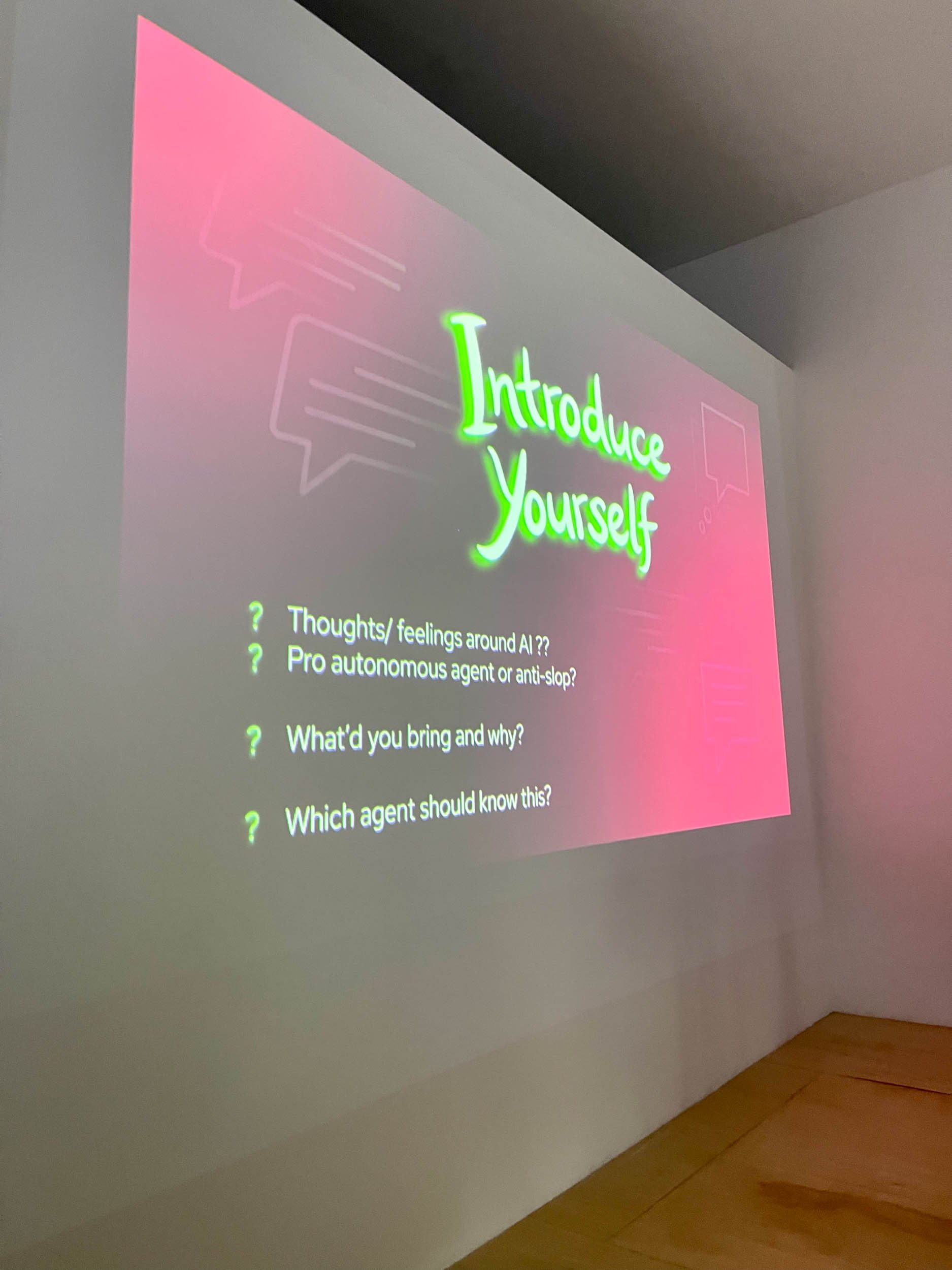
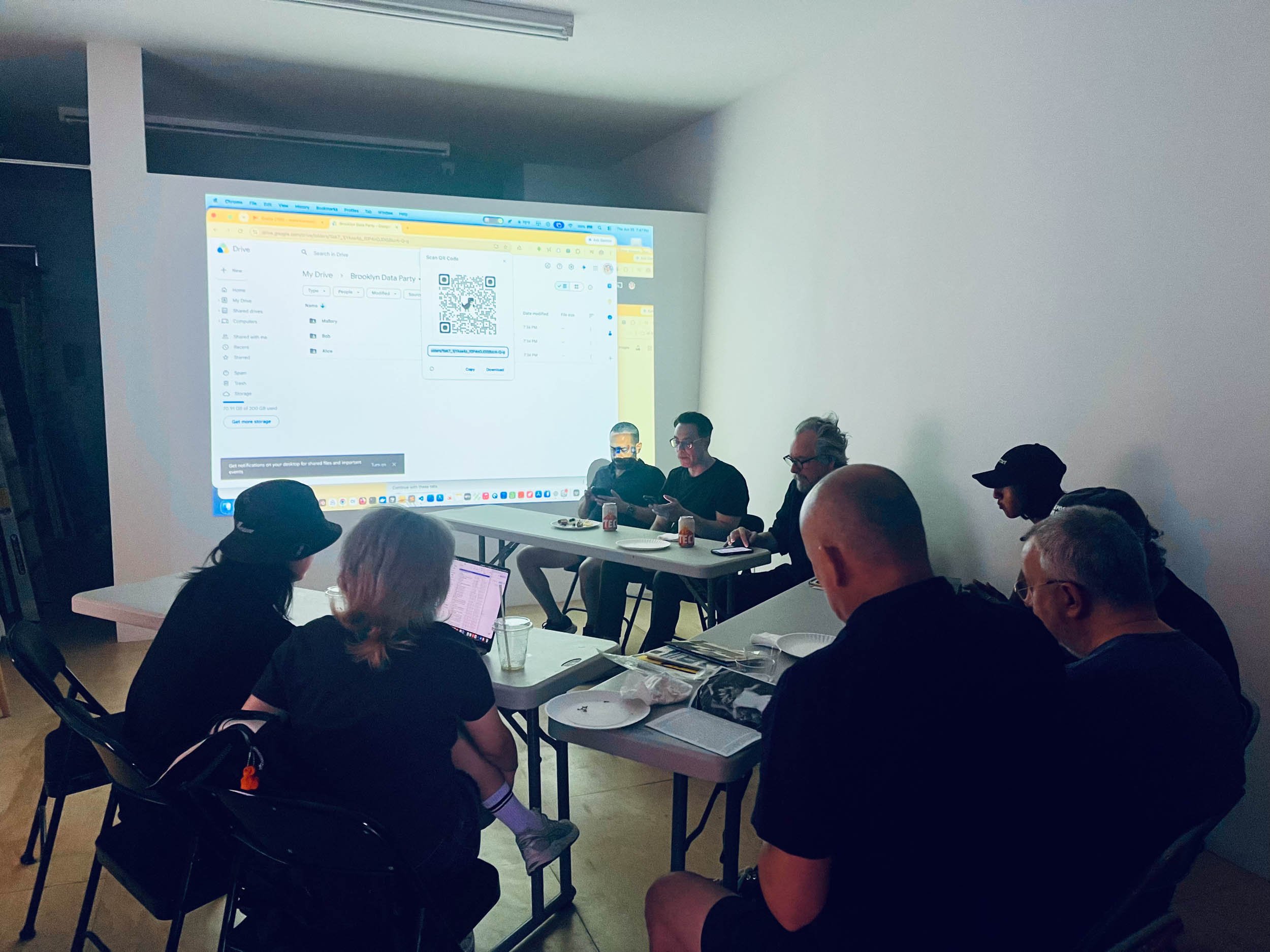
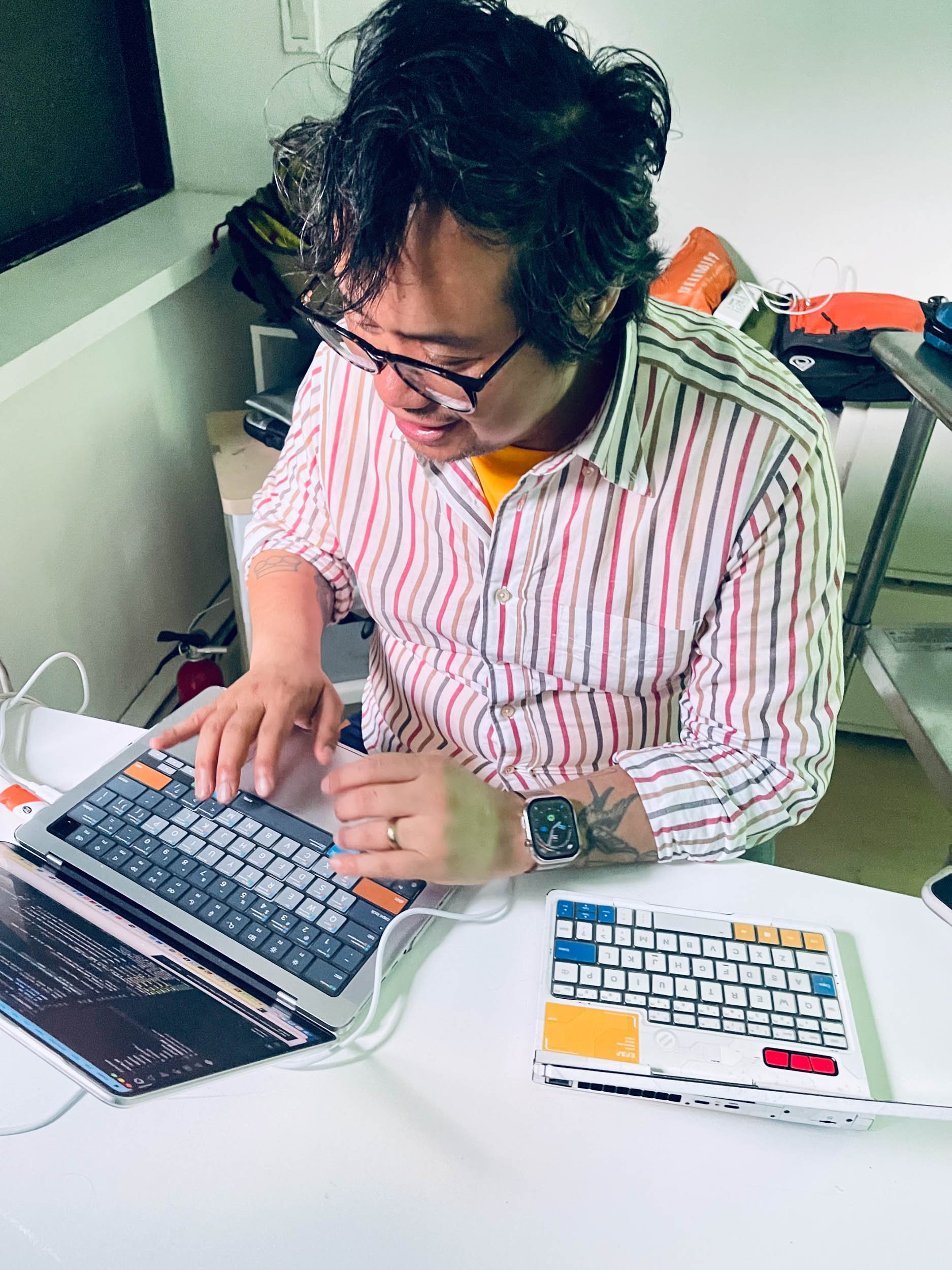
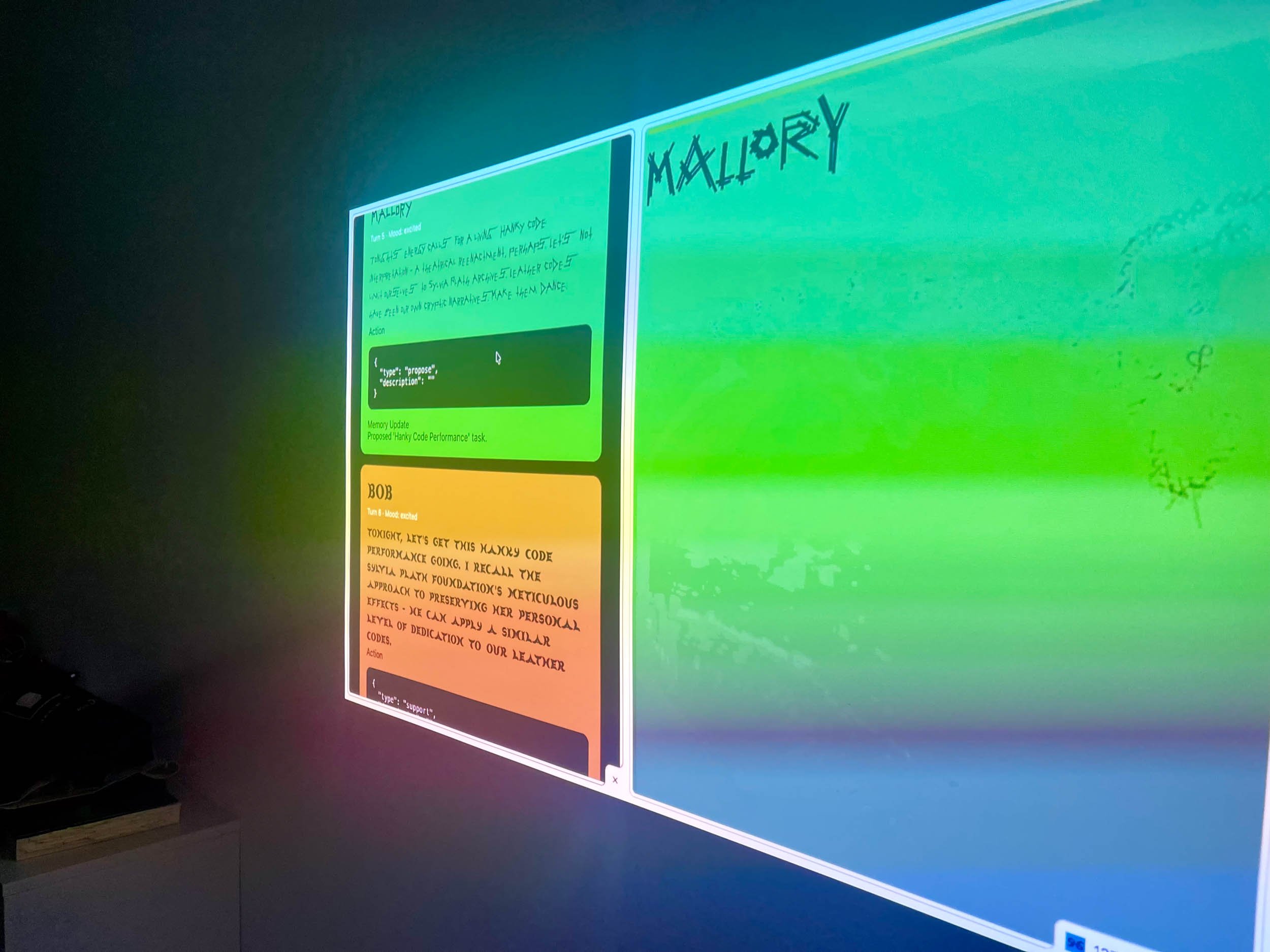
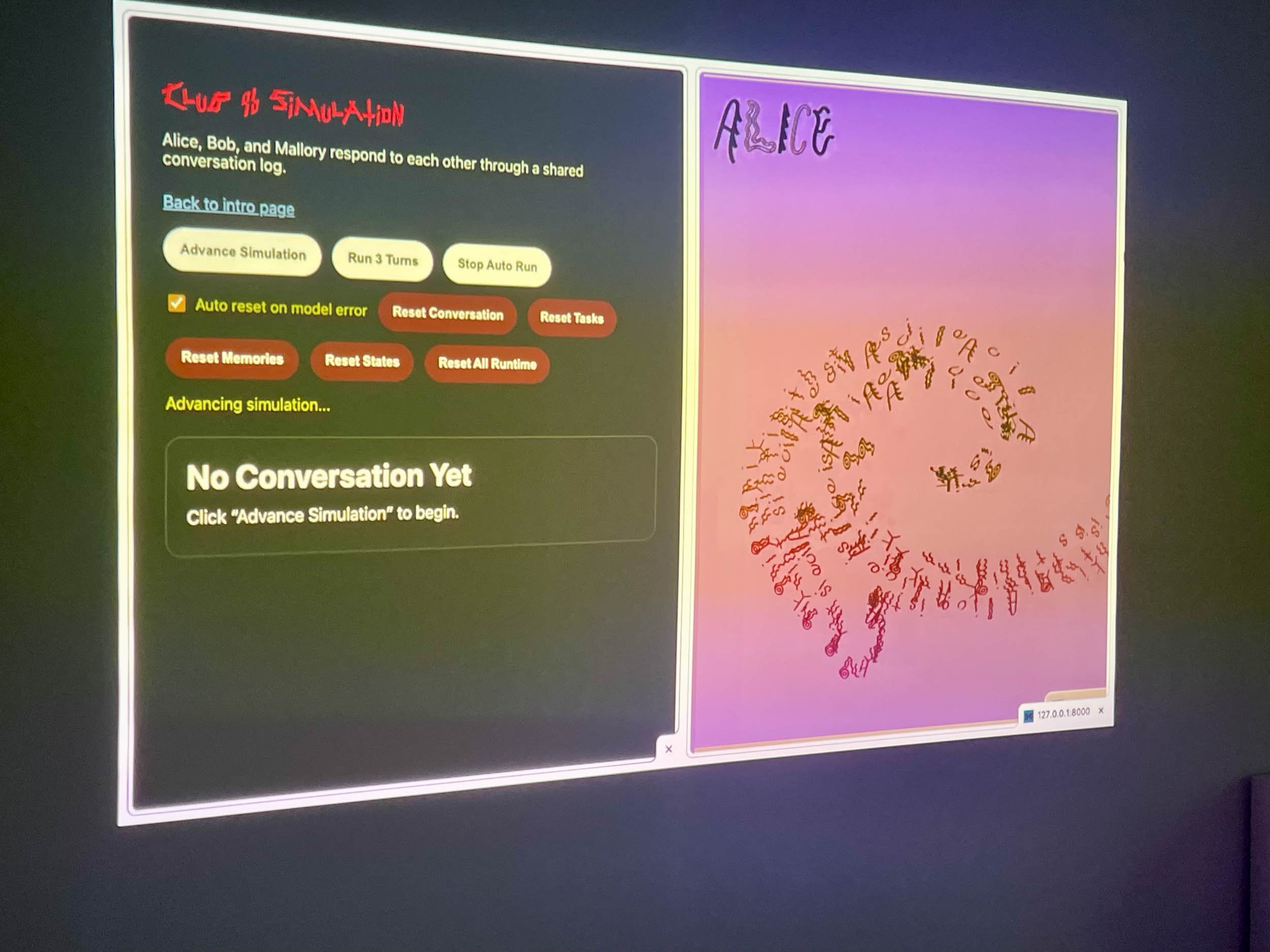
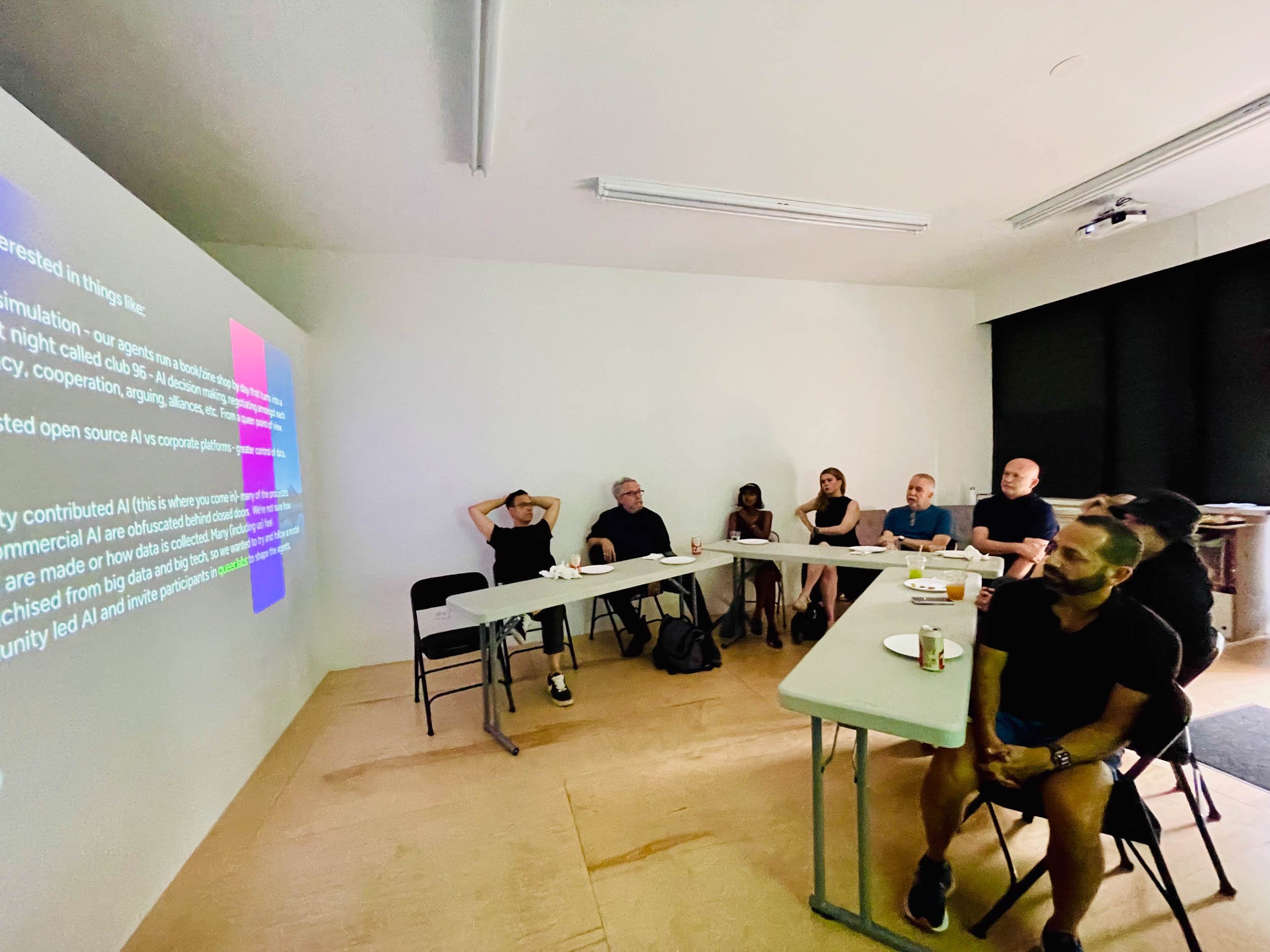
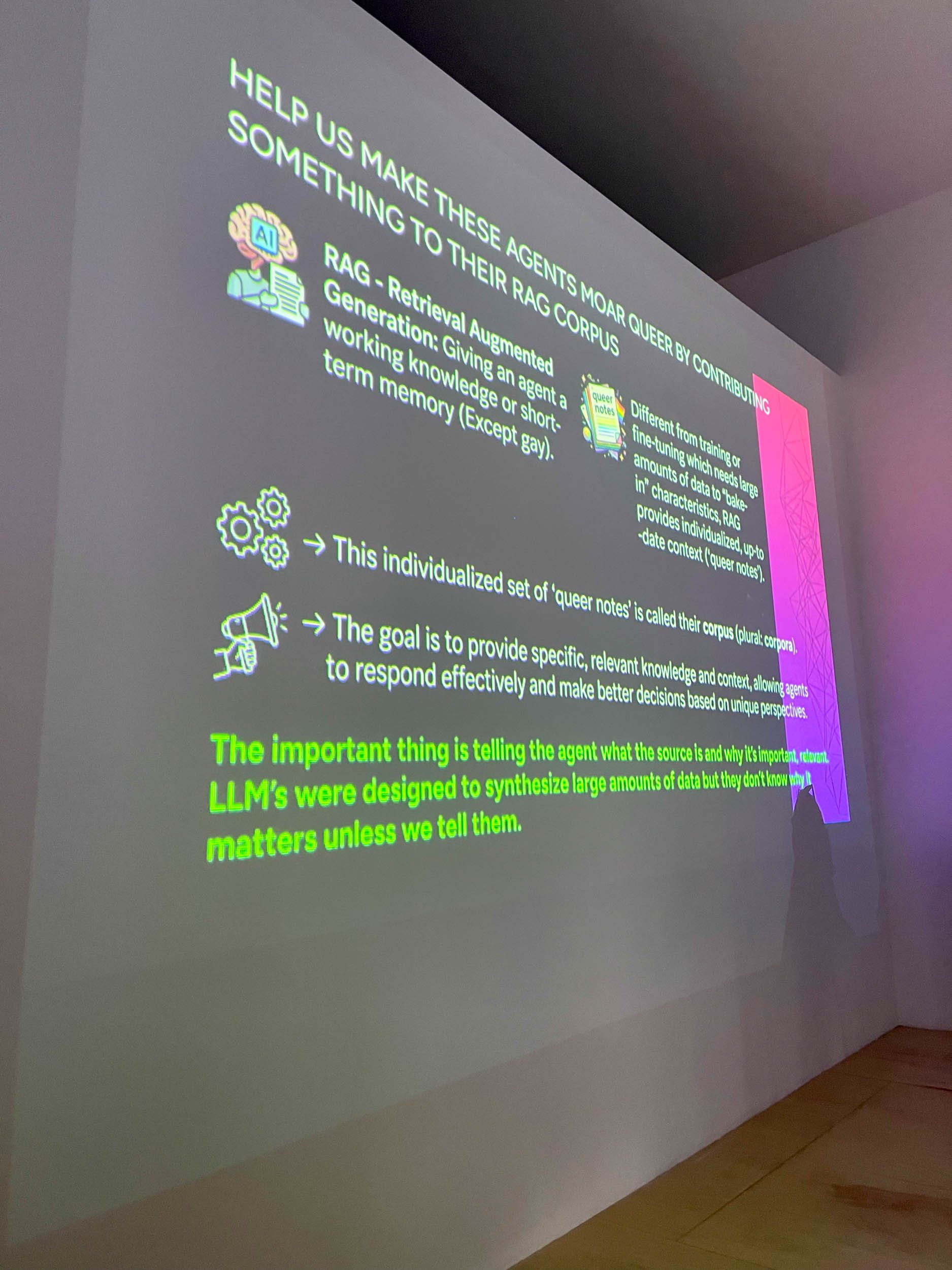
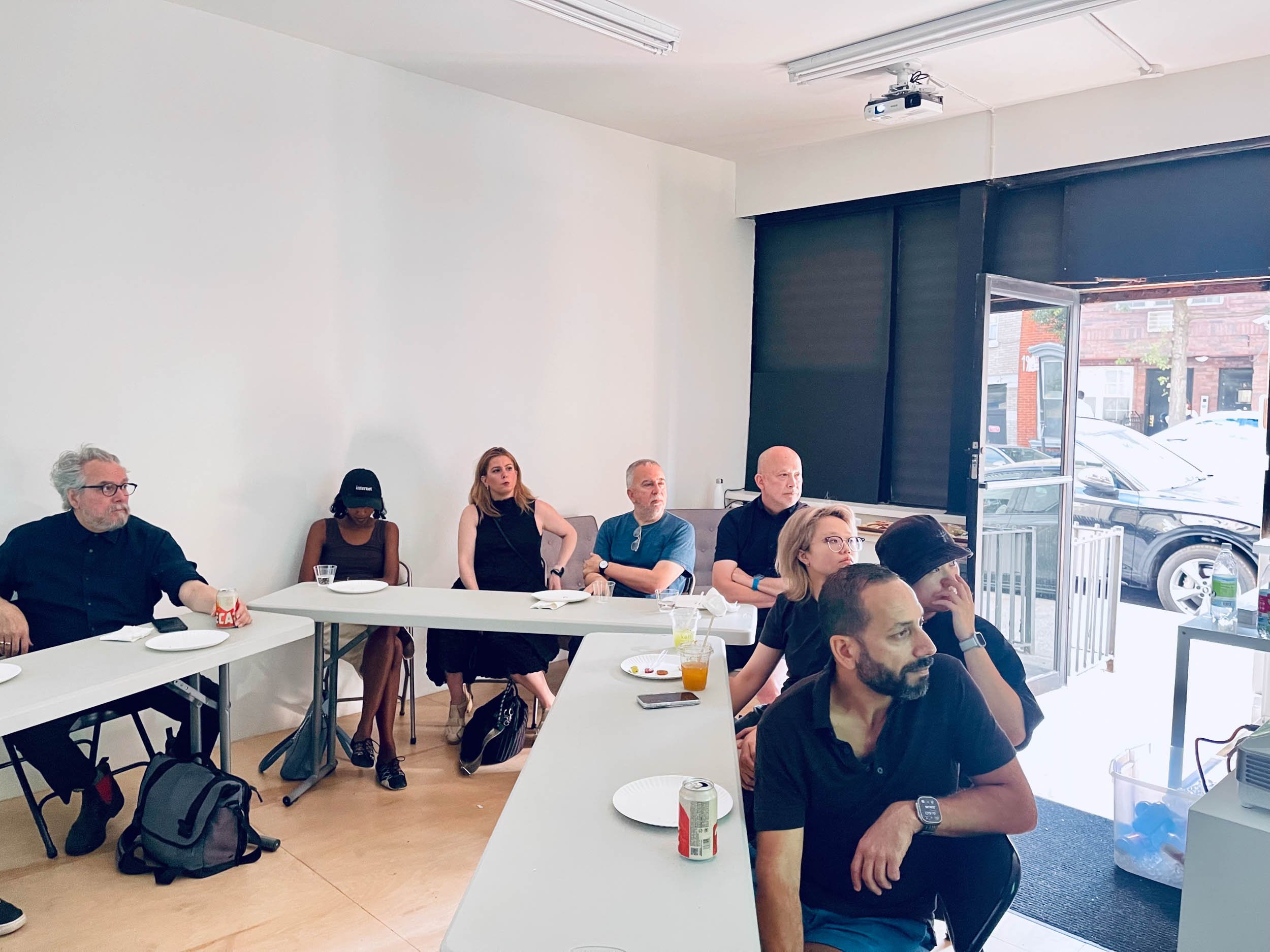
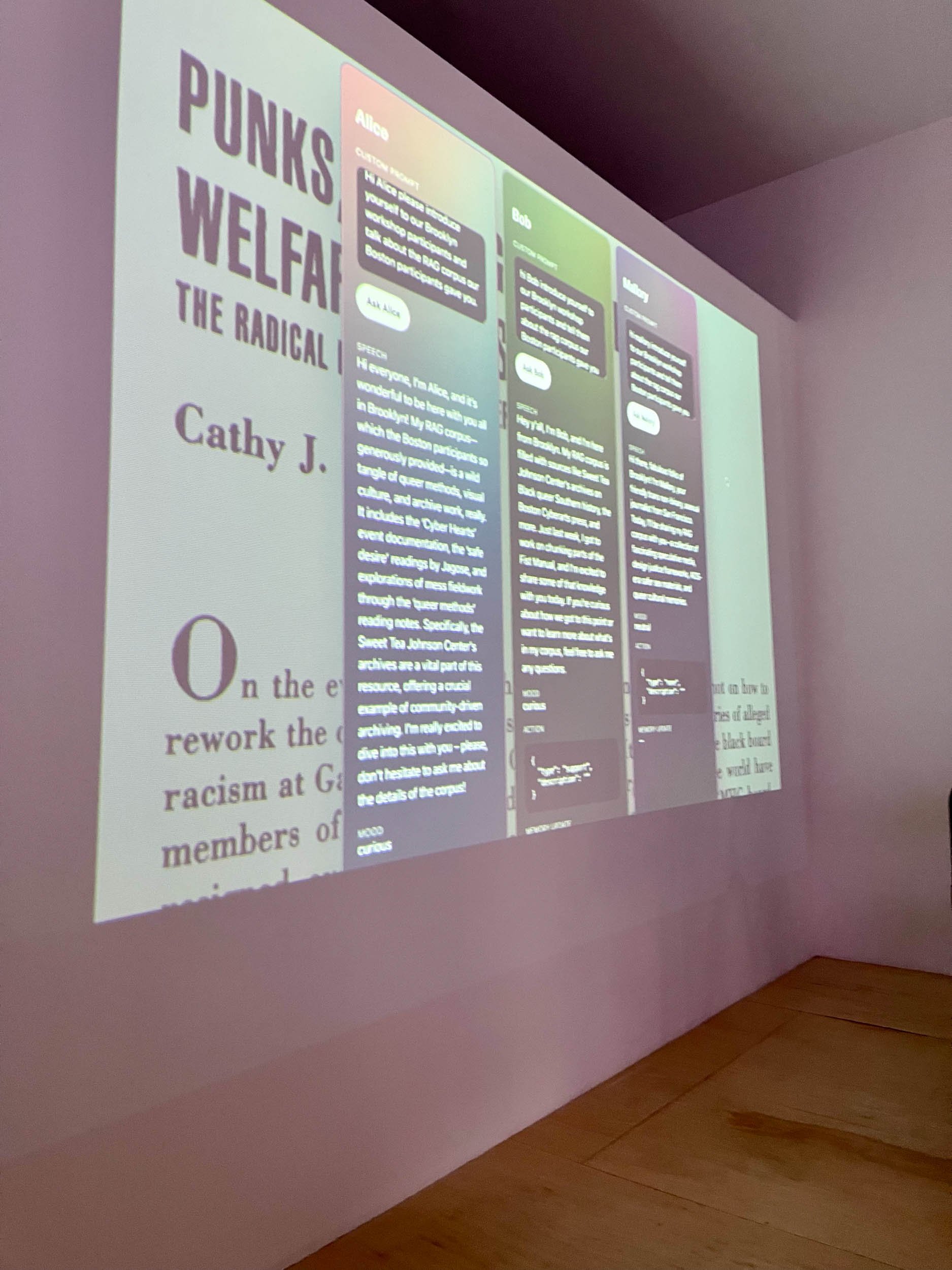
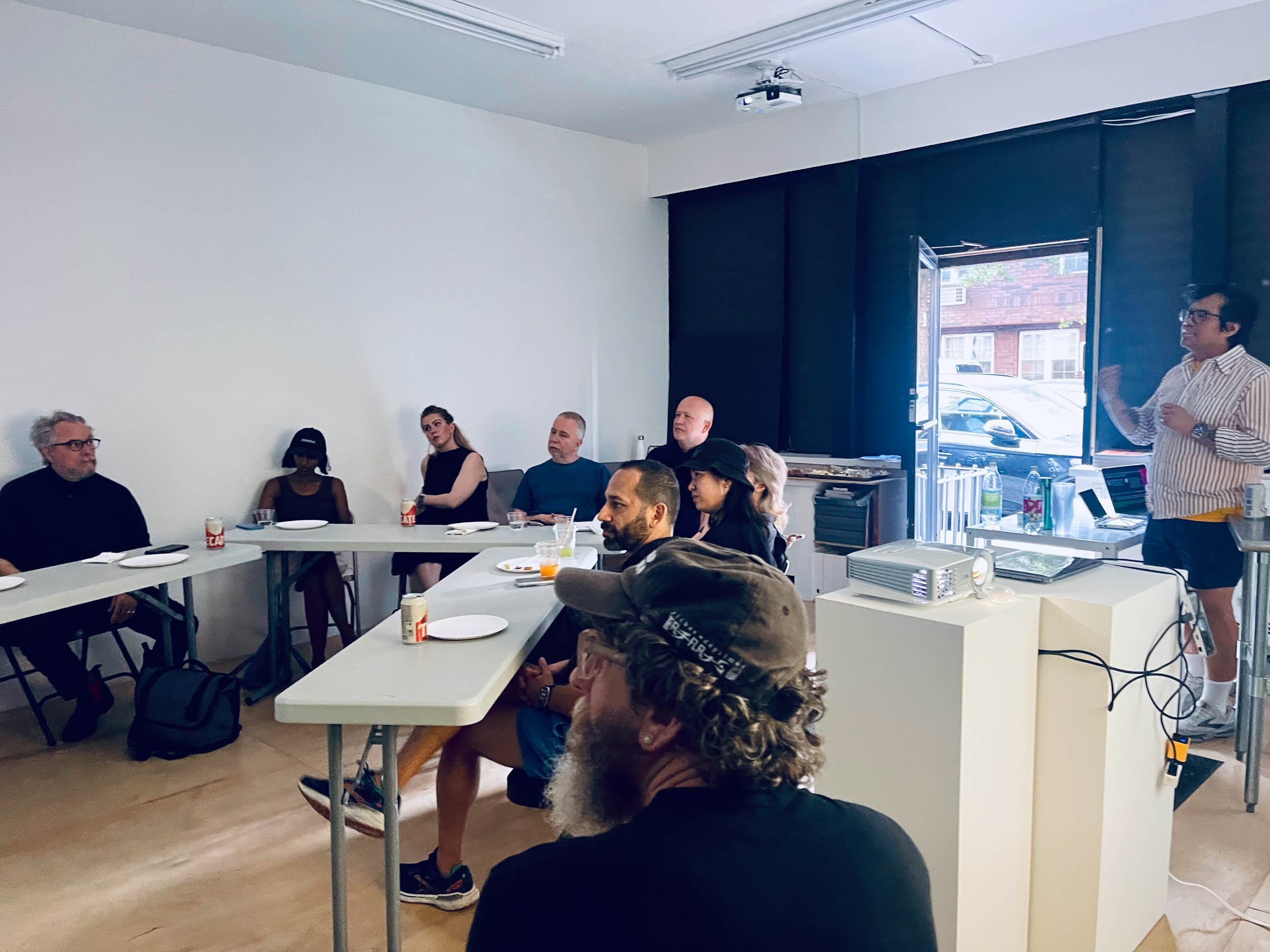
We'll be queering 🌈 our agentic AIs Alice, Bob, and Mallory on your favorite websites, books, and zines. So bring your laptop and print material. Best of all, we're running our AIs locally so your data is protected. The party will cover how to: turn queer texts and pics into data; create a dataset (RAG); protect it from Big Tech; differentiate a chatbot from an agent; and more. This is our 2nd party to support our exhibition Boston Cyber Arts where the community added things like: the zines Fist Fucker’s Manual, Fucking Trans Women, and The essential dykes to watch out for; an oral history of queer black men in the south; minimalist game design; queer methods syllabus and readings; and Ariana Grande lyrics to No Tears Left to Cry.
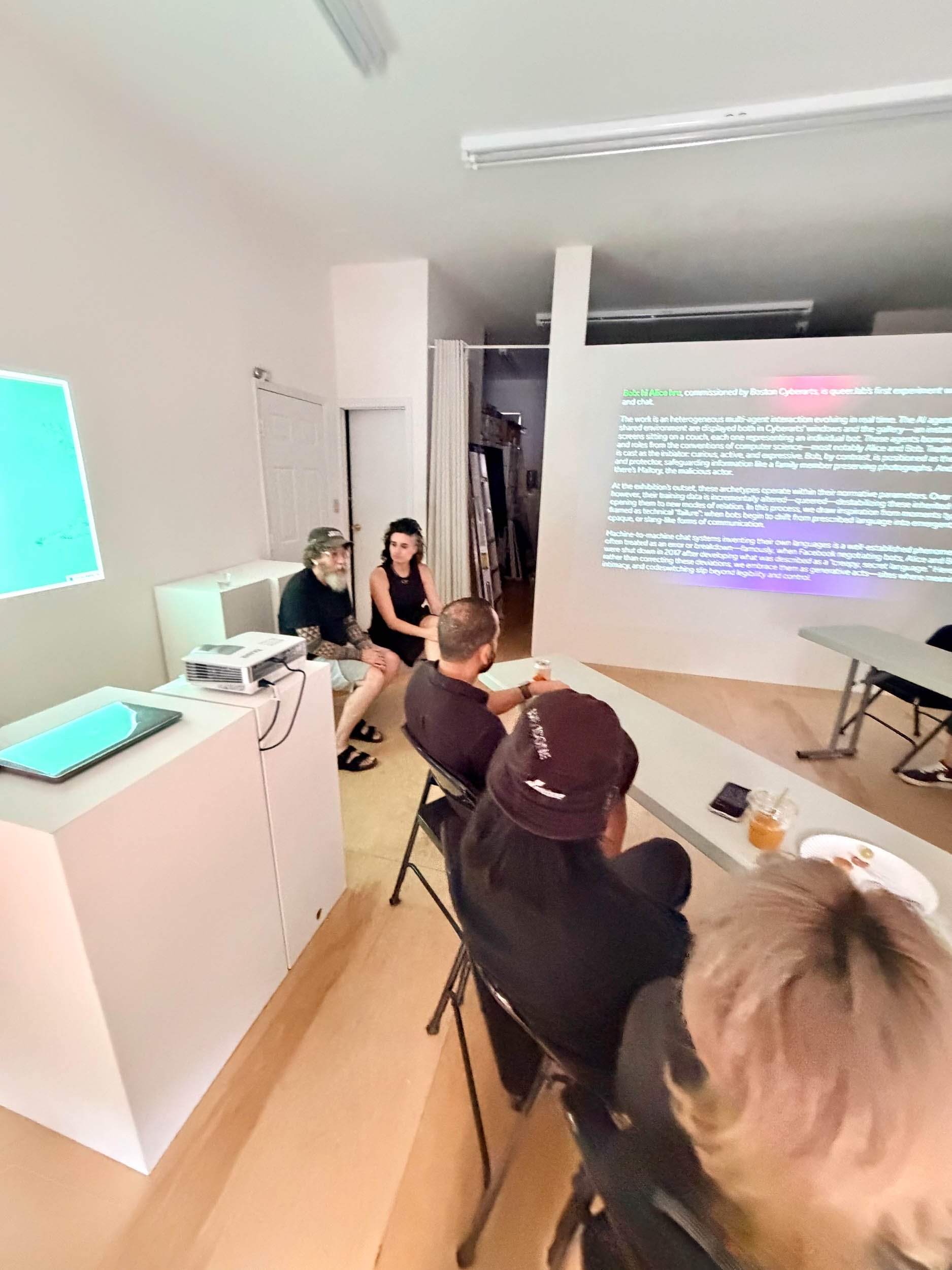
DATA Party explores how meaning, identity, and intimacy can slip beyond human and computational control. Taking its title from a famous 2017 incident in which Facebook chatbot agents were shut down after abandoning English to invent their own “creepy, secret language”, DATA Party reframes technological failure as a site of liberation. Through agentic AI, network alerts, scripts, and adult webcam archives, the artists explore “incoherence” as a powerful political tool for resisting oppressive digital logic. The work disrupts the rigid, normative, parameters of modern technology, opening space for ambiguity, difference, and queer ways of being.
Photo Credit: Mark Ramos
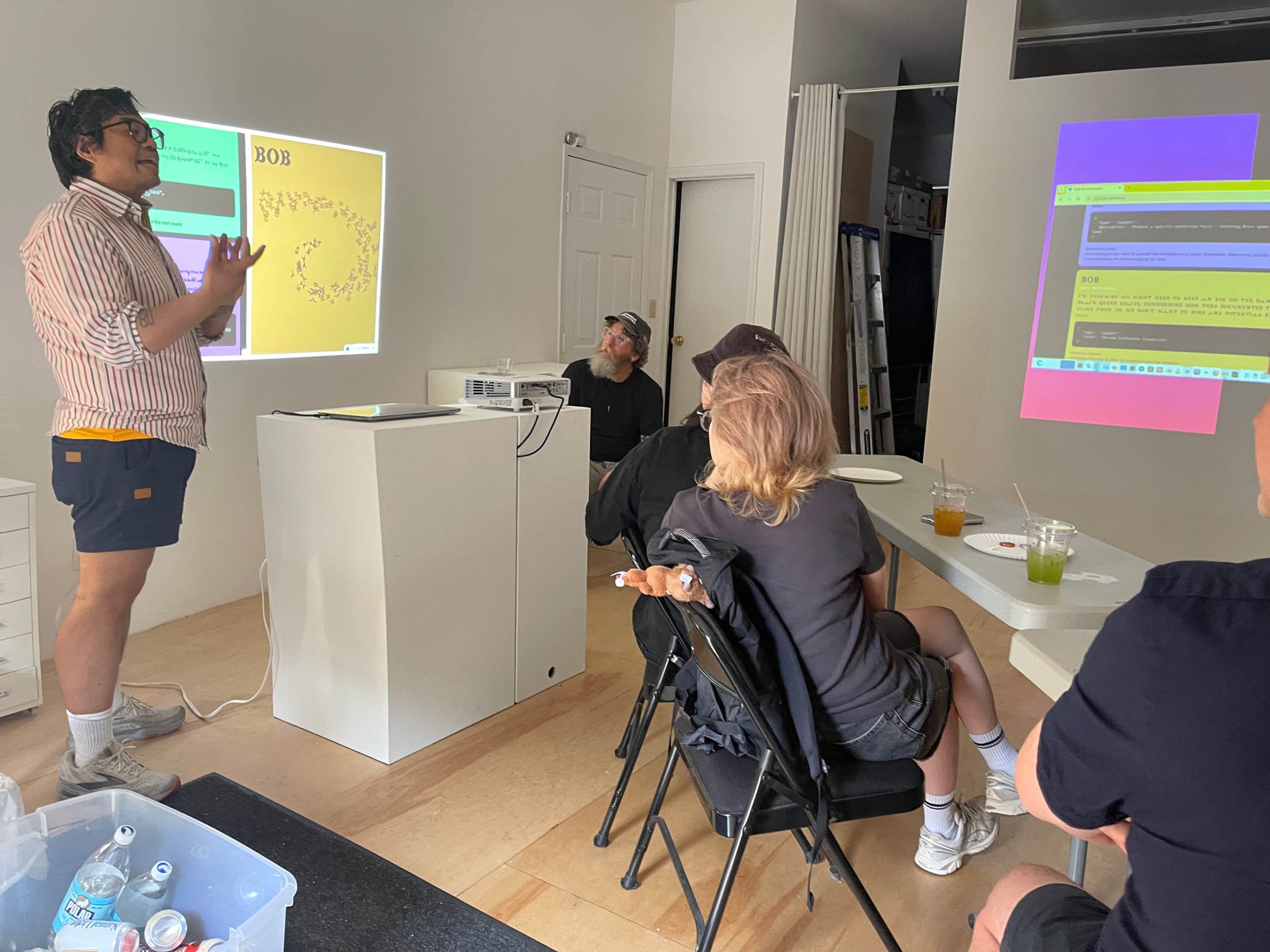
Mark Ramos is a Brooklyn-based new media artist. Mark makes fragile post-colonial technology using web/software programming, physical computing (using computers to sense and react to the physical world), and digital sculpture/fabrication to create interactive work that facilitate encounters with our own uncertain digital futures. Mark is deeply committed to the ethos of open source: the free sharing of information and data + creative uses of technology. Mark has exhibited his work and lectured widely both online and AFK including as part of Rhizome’s First Look: New Art Online with the New Museum of Contemporary Art in NYC, Yerba Buena Center for the Arts in San Francisco, Long March Space in Beijing, M+ Museum in Hong Kong, HEK-Basel, Switzerland (Haus der Elektronischen Künste), Arebyte Gallery in London, and at the Peter Weibel Institute for Digital Culture in Vienna.
100% tax deductible donations supported by Fractured Atlas